
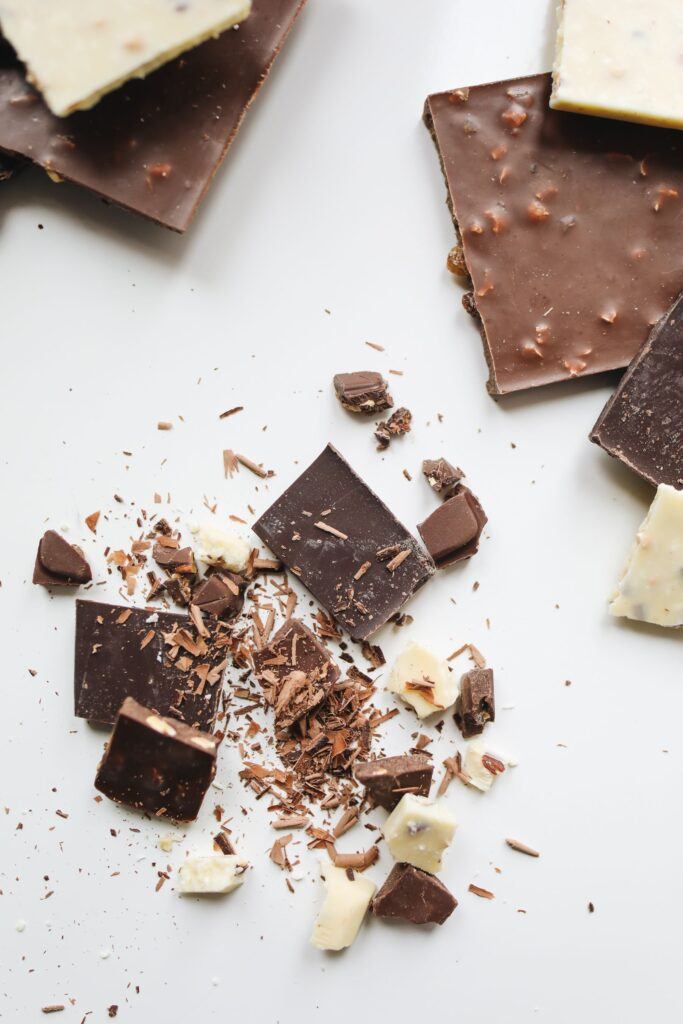
Chocolate can be found just about everywhere, from the checkout aisle at the grocery store to fancy dessert menus at restaurants. Even though almost everyone has tasted chocolate at some point, a lot of people aren’t really sure what actually separates the main types. If you’ve ever wondered why white chocolate tastes so different from dark or what “couverture” even means, you’re definitely not alone. Here, I’ll break down all the main types of chocolate, how they’re made, and why they taste the way they do.
What Goes Into Chocolate?
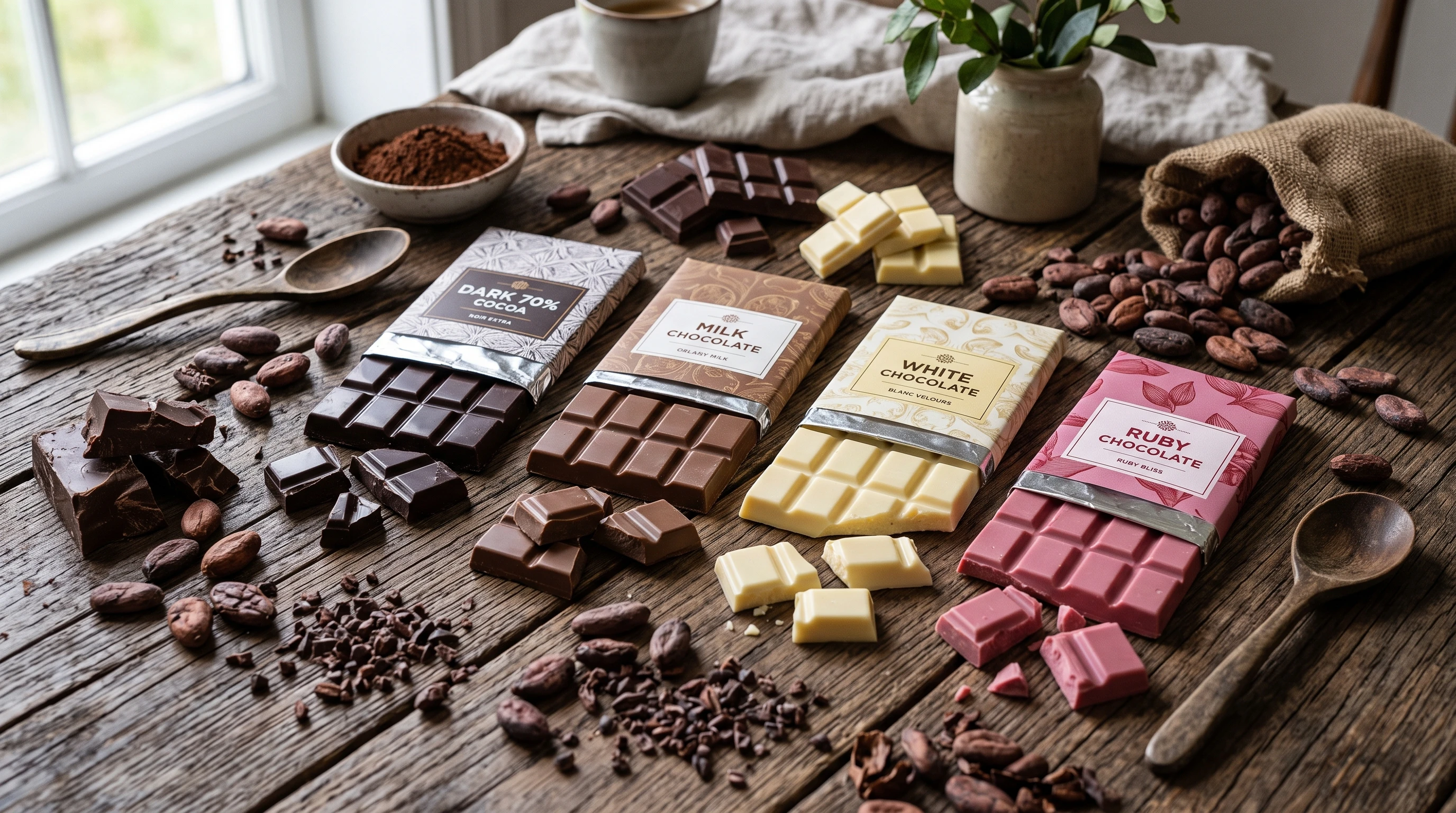
Every piece of chocolate starts with a very simple base: cocoa solids, cocoa butter, and usually sugar. The type and amount of those main ingredients, plus a little help from milk, vanilla, or other add-ins, decide how the finished chocolate looks, tastes, and feels. Basically, the more cocoa you get, the darker and usually more bitter the chocolate will taste. Less cocoa and more milk or sugar? Sweeter, creamier results.
Chocolate labels can get pretty detailed. If you see a percentage like “70% cacao,” that number tells you how much of the bar is made up of cocoa solids and cocoa butter combined. Higher numbers mean more bold chocolate flavor, while lower means it’s been balanced with sugar and, often, milk.
The Major Types of Chocolate Explained
With the basics out of the way, I’ll walk through the main chocolate types you’re likely to find on store shelves or in recipes. Each brings its own vibe to desserts, snacking, or baking. Some are classics, others a bit newer to the scene, but they’re all worth knowing about if you’re a chocolate fan.
Dark Chocolate
Dark chocolate is what a lot of people imagine when they think of “real” chocolate. It’s made with cocoa solids, cocoa butter, and sugar, but no milk powder or milk at all. This is the type that can have those impressive percentages on the wrapper, sometimes as high as 90%. That means fewer added extras and a much more pronounced cocoa flavor that ranges from bittersweet to downright intense.
You’ll find dark chocolate broken down even further depending on the sugar amount:
- Semi-sweet: Often used for baking, especially in chocolate chips; it has a mellow, not-too-bitter bite.
- Bittersweet: A little more cocoa, a little less sugar. Good for those who love chocolate with a little snap and less sweetness.
- Extra dark: Anything above 80% cacao is usually intense, bold, and perfect for people who are really after that cocoa kick. Not everyone finds these palatable for snacking, but they work nicely in rich desserts.
Health fans sometimes reach for dark chocolate because it packs in more flavanols and less sugar, and it pairs nicely with coffee, red wine, and even certain cheeses. It’s versatile for both eating and baking since it melts smoothly and can add depth to frostings, brownies, or ganache. Some dark chocolates are even infused with flavors like orange zest, chili, or sea salt, unlocking even more possibilities for pairing and recipes.
Milk Chocolate
Almost everyone has tried milk chocolate at some point. It’s softer, sweeter, and creamier than dark, thanks to the addition of milk powder or condensed milk and a good amount of sugar. Most milk chocolates hover between 20%–40% cocoa, with the rest made up of milk and sugar. There’s less of that bitter cocoa flavor, making it snackable and popular with both kids and adults.
Not all milk chocolates are created equal. Some are super milky and mild (think of those classic chocolate bars at the convenience store). Others, especially the more gourmet brands, dial back the sugar a little and let at least some cocoa flavor shine through. Milk chocolate melts easily, so it’s a favorite for everything from s’mores to hot chocolate and candy coatings. Gourmet milk chocolate can also showcase unique inclusions like caramel bits, nuts, or toffee to provide interesting textures and flavors beyond the sweet, creamy base.
White Chocolate
White chocolate stands out for being, well, not particularly chocolatey to some palates. The reason? It’s actually made without any cocoa solids at all. Instead, white chocolate uses just cocoa butter, mixed with sugar and milk. That gives it a sweet, creamy flavor but none of the deeper, roasty notes that come from cocoa powder. The texture is smooth, and the flavor is almost buttery with a hint of vanilla.
Pure white chocolate can taste rich and mellow, but lower-quality versions sometimes swap in cheaper vegetable fats in place of cocoa butter, which is why some white chocolate feels waxy or bland. True white chocolate has at least 20% cocoa butter by law (in the US), and higher-end versions often list “cocoa butter” as the first ingredient. For baking, white chocolate adds sweetness and creaminess to cookies or frostings and can even be used in savory sauces for dishes such as white chocolate risotto or mole for a touch of sweetness.
Ruby Chocolate
Ruby chocolate is the newest member of the chocolate family, having hit shelves only in the late 2010s. It’s got a striking, natural pink color and a flavor that mixes creamy sweetness with tangy, almost berry-like notes. Ruby chocolate is made from special ruby cocoa beans—no added berries or dyes—so it’s a natural showstopper in both color and taste.
Its melt-in-the-mouth texture is similar to white chocolate, but the taste is fruity and bright, which makes it a fun pick for both eating and as a creative ingredient in desserts. Ruby chocolate can be a little pricier due to the special beans, but it’s worth checking out if you want something that really stands out. Creative bakers love to use ruby chocolate in mousses, glazes, or truffles where its color and tart flavor can shine.
Couverture Chocolate
While you won’t see this one right next to the candy bars, couverture chocolate deserves a mention, especially if you’re into baking or making confections. Couverture refers to high-quality chocolate (dark or milk) with extra cocoa butter and a super smooth texture. It melts beautifully, sets with a shiny snap, and is the top pick for professional chocolatiers for dipping, coating, and making glossy decorations. If you ever want to make homemade truffles or chocolatier-worthy chocolate-dipped fruit, this is the type to reach for. Its high cocoa butter content also makes it ideal for tempering, which gives finished treats a professional look and longer shelf life.
Baking Chocolate
Baking chocolate is a category all its own. Sometimes called “unsweetened” or “baker’s” chocolate, it usually contains 100% cocoa solids and cocoa butter, and no sugar at all. That makes it taste intensely bitter and not so great for eating straight, but it’s a go-to for recipes where you’ll add your own sugar, like brownies or chocolate cake. There are also “sweet” and “semisweet” baking chocolates with a bit of sugar already added, depending on what your recipe calls for. High-quality baking chocolate has a smooth texture and strong cocoa flavor, ensuring your baked goods turn out deep, rich, and delicious.
What About Cocoa Powder and Cacao?
If you’re reading through recipes or chocolate packaging, you might run into terms like “cocoa powder” or “cacao.” Here’s the quick lowdown:
- Cocoa Powder: Made by grinding up cocoa solids after most of the cocoa butter has been extracted. It’s the dark, dusty stuff used for hot chocolate, brownies, or dusting desserts. It’s dry and super concentrated, which makes it perfect for flavoring.
- Cacao: This term can mean a few things. Sometimes it refers to raw, less-processed cocoa products, and sometimes it’s just another way of saying “cocoa.” If you see “raw cacao nibs” or “cacao powder,” expect a slightly more bitter flavor and possibly more nutrients, but with a grainier texture than chocolate. Cacao nibs, for example, are small pieces of crushed cocoa beans, which add earthy bitterness and crunch to both sweet and savory dishes.
How to Choose the Right Chocolate for You
Picking the best chocolate really comes down to personal taste and what you’re hoping to do with it. Here are some things I look for when shopping or baking:
- Snackability: If I want something easy to eat, milk or white chocolate is usually my go-to. They’re creamy, familiar, and have enough sweetness to keep things mellow.
- Flavor punch: Dark chocolates are great when I want a richer, more robust chocolate flavor. They also hold up well in recipes where chocolate isn’t masked by milk or sugar.
- Baking or decorating: For melting, coating, or fancy decorating, couverture or baking chocolate is usually worth the investment. The smooth melt makes all the difference, and quality chocolate can totally make or break your treats.
- Something new: Ruby chocolate offers a cool twist if you want both color and a citrusy, berry taste. Its unique flavor profile makes it a conversation starter and an exciting addition to homemade desserts.
Checking the ingredients list always helps. I usually look for cocoa butter (not vegetable oil), recognizable ingredients, and a cacao percentage that matches my chocolate mood. If you’re sensitive to sweetness or want a bolder taste, higher cacao percentages or darker chocolates are the way to go. For those with allergies or dietary restrictions, there are also vegan, dairyfree, and glutenfree chocolates available in most major types, so be sure to check the labels.
Common Questions About Chocolate
Here are some questions people often ask me about chocolate, whether they’re snacking or baking at home:
Question: Is dark chocolate healthier than milk chocolate?
Answer: Dark chocolate usually has more antioxidants and less sugar, but the difference only matters if you’re eating it regularly and in smaller amounts. It can fit into a balanced diet if you like the taste. Milk chocolate, while sweeter, is totally fine for an occasional treat.
Question: What makes a chocolate “couverture”?
Answer: Couverture chocolate has more cocoa butter than regular chocolate and is ground to a finer texture. That gives it a glossier finish and better snap, making it perfect for dipping or coating candies. Chefs also prefer it for making molded chocolates, as it releases from molds more easily due to the high cocoa butter content.
Question: Why does some white chocolate taste waxy?
Answer: Usually, it’s because a cheaper brand swapped out real cocoa butter for vegetable fats, which changes both the taste and how it melts. True white chocolate always lists cocoa butter high on the ingredient list and should melt smoothly without leaving a greasy feeling.
Question: What’s the difference between cocoa and cacao?
Answer: Most of the time, cocoa refers to the more processed product used in chocolate bars and cocoa powder, while cacao can mean either raw products or the plant itself. Both start from the same beans, but the difference is all in how much heat and processing they go through. If you want a stronger, slightly bitter, and nutrient-packed option, try raw cacao products in your next smoothie or snack recipe.
Trying It Out for Yourself
Getting to know the different types of chocolate opens up loads of possibilities, whether you’re looking to amp up your next dessert or just find your favorite bar for movie night. Taste-testing a few different styles side by side is a fun way to really notice the differences in flavor, texture, and sweetness. And if you ever see ruby chocolate, I think it’s worth adding to your list just for the experience.
All these chocolate types bring something unique, whether you want a rich, dark flavor, sweet creamy goodness, or something totally new. If you’ve got a favorite chocolate type or a recipe that never fails, sharing it with friends is always a good idea. And don’t be afraid to get creative or try new brands or varieties—you might stumble upon a new favorite treat that takes your snacking or baking to the next level!