
If you’re new to chocolate, you’re in for a treat; no pun intended. Chocolate goes back thousands of years and is enjoyed all over the world today. It fills candy bars, desserts, drinks, and even skincare routines. While it usually looks simple, each bar or truffle hides a rich history and a production process worth checking out. In this beginner’s guide, I’m breaking down what chocolate actually is, what it’s made of, and how you can taste and use it in different ways.
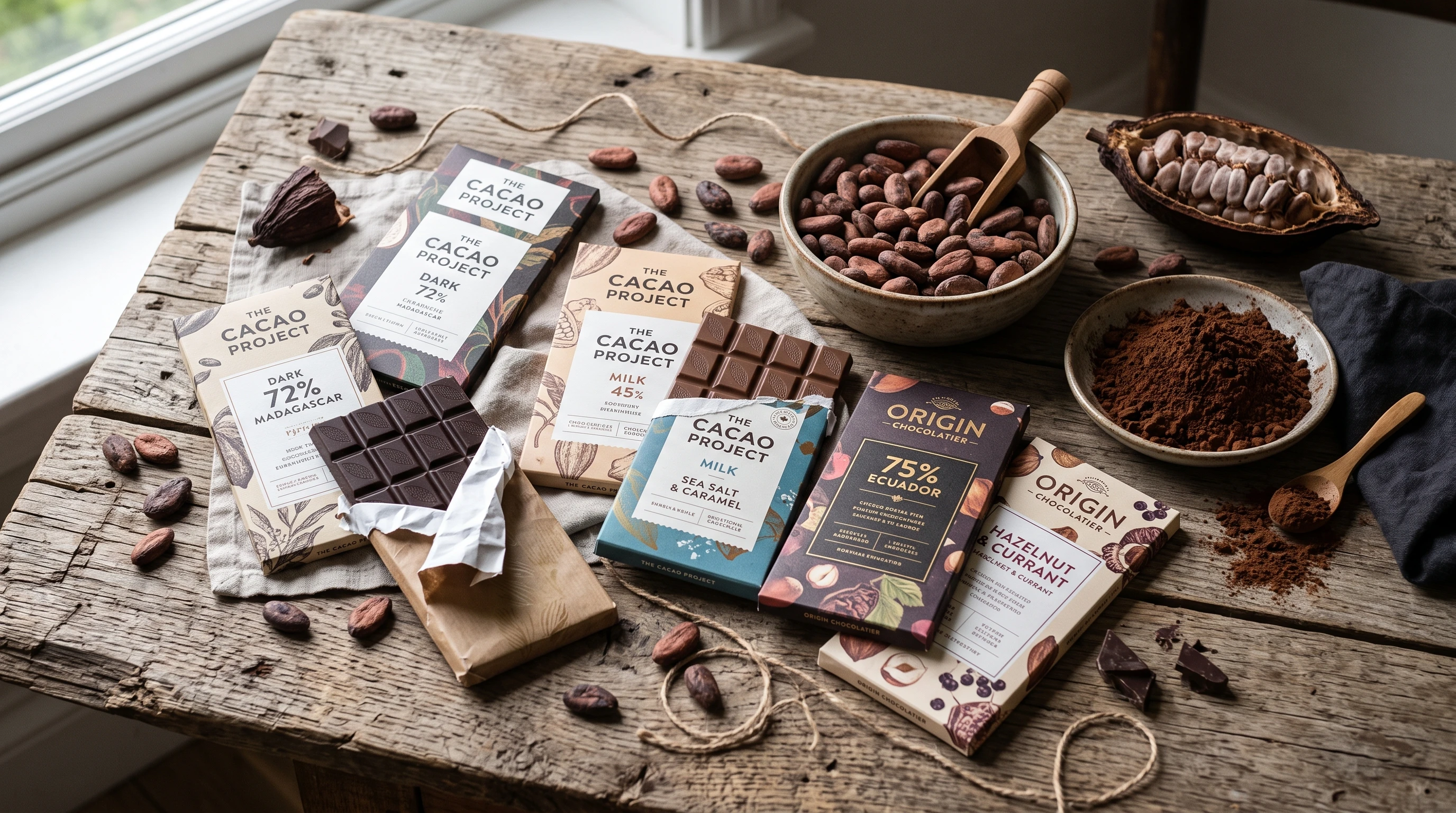
What Is Chocolate and Where Does It Come From?
Chocolate is a treat made from the seeds of the cacao tree. These seeds are called cacao beans. The process starts with harvesting cacao pods, breaking them open, and fermenting and drying the beans. Roasting, grinding, and mixing follow, turning those beans into the chocolate bars and treats most of us know today.
Cacao trees mainly grow near the equator in countries like Ivory Coast, Ghana, Indonesia, and Brazil. If you’ve seen the words “single origin” on a chocolate label, that just means all the beans in the chocolate come from the same country (or even the same farm), giving the chocolate a unique flavor profile.
Breaking Down Chocolate: Ingredients and Types
All chocolate starts with cacao beans, but manufacturers often add a few more things to make it creamy, sweet, or easy to mold. Here are some basics you’ll often see:
- Cocoa solids: These are the dry parts from processed cacao beans. They’re what carry the flavor and color of chocolate.
- Cocoa butter: This is the fat naturally found in cacao beans; it makes chocolate smooth and helps it melt in your mouth.
- Sugar: Almost all chocolate (except some baking or “100%” bars) contains added sugar to balance the natural bitterness of cacao.
- Milk solids: Found in milk chocolate, these give it a soft and creamy feel.
- Other extras: Vanilla, lecithin (an emulsifier), nuts, and dried fruit are commonly added, especially in specialty bars.
The main types of chocolate are:
- Dark chocolate: Has more cocoa solids and less sugar, sometimes skipping milk altogether.
- Milk chocolate: Contains both cocoa and milk solids, making for a softer, sweeter bar.
- White chocolate: Made only from cocoa butter, sugar, and milk; no cocoa solids, so it’s much lighter in color and flavor.
The Chocolate Making Process: From Bean to Bar
The ride of chocolate from tree to treat is pretty fascinating. Here’s a quick look at the main steps:
- Harvesting: Farmers cut the cacao pods off the trees and open them up to scoop out the beans.
- Fermenting: Beans rest in shallow trays or banana leaves for several days, developing deep flavors and reducing bitterness.
- Drying: Fermented beans spread out under the sun to dry, becoming lighter and easier to store or ship.
- Roasting: Roasting the dried beans at the chocolate factory brings out the familiar chocolate aroma.
- Cracking and winnowing: The outer shells get cracked off, leaving only the cacao nibs (the core of the flavor).
- Grinding: Nibs are ground into a thick, chocolatey paste called chocolate liquor (there’s no alcohol involved!).
- Mixing and refining: Depending on the type of chocolate, sugar, milk, and other ingredients get added at this stage. The paste is then refined to make it smoother.
- Conching: This is an extra step to knead the mixture for hours, sometimes days; making it extra silky and rich.
- Tempering and molding: Finally, chocolate is carefully cooled and poured into molds for bars, coins, or other shapes.
Learning about the process really helps you appreciate the work behind even the simplest chocolate bar.
How to Taste Chocolate Like a Pro
Tasting chocolate can be a lot more rewarding when you pay attention to flavor and texture. Here’s my simple step-by-step for tasting chocolate:
- Look: Quality chocolate usually has a shiny, smooth surface.
- Smell: Break the bar and take a deep sniff; the aroma can be fruity, nutty, floral, or earthy depending on the origin.
- Snap: Good chocolate has a clean, sharp snap when it’s broken. If it bends or crumbles, it might be a lower quality bar or have too much milk.
- Taste: Let a piece melt slowly in your mouth. Try to notice how it changes from first bite to finish. Some flavors take a few seconds to reveal themselves.
- Texture: Smooth chocolate melts seamlessly while gritty chocolate usually means it hasn’t been refined for long enough.
Don’t worry if you can’t name every flavor at first. With a little practice, you’ll notice fruity notes in some chocolates and nutty undertones in others.
Common Pitfalls and Tips for Buying Chocolate
Choosing chocolate can seem like a maze these days with all the labels and varieties out there. Here are some tips for making sense of it all:
- Check the cocoa percentage: For a deeper, more intense flavor, pick a bar with a higher cocoa percentage. Anything over 70% is considered pretty dark.
- Read the ingredients: Shorter ingredient lists often mean higher quality. Skip chocolate with lots of added oils or artificial flavors if you want a real cocoa flavor.
- Consider the source: Some brands are really transparent about the farms or regions where their cacao is grown. It’s worth checking out if you want to support sustainable or ethical chocolate.
- Storage matters: Chocolate should be stored in a cool, dry place away from sunlight. Fridges can cause chocolate to “bloom,” which happens when cocoa butter comes to the surface and leaves white streaks. It’s still safe to eat, just not as eye-catching.
Ethical and Sustainable Chocolate
Chocolate’s popularity has raised concerns about fair labor and sustainability. Today, more companies display certifications like Fair Trade or Rainforest Alliance on their packaging. Supporting these brands helps encourage better conditions for cacao farmers and the environment. You can read more about ethical chocolate on Rainforest Alliance or Fair Trade websites.
Fun Ways to Enjoy and Use Chocolate
There’s a huge world beyond the classic chocolate bar. Here are some favorite ways I like to enjoy chocolate:
- Baking: Brownies, cakes, and cookies always get better with good chocolate.
- Hot chocolate: Melt real chocolate or use cocoa powder for a rich, warming drink. Adding cinnamon or a pinch of chili powder brings out deeper flavors.
- Melted dips: Fruit, marshmallows, and pretzels all pair really well with chocolate fondue.
- Savory dishes: Try adding a square of dark chocolate to chili or stew for a complex taste.
- Chocolate pairings: Bitter dark chocolate goes nicely with coffee or red wine. White chocolate pairs well with berries or tropical fruits.
It’s fun to experiment, even with simple combos. Sometimes just a few good quality pieces can make an ordinary snack feel like a special treat. You might stumble upon a new favorite combination without even trying too hard. For an extra fun twist, make a chocolate tasting platter at home with family or friends—compare flavors from several brands or regions and note your favorites.
If you’re more adventurous, try making your own chocolate bark by melting dark, milk, or white chocolate, then sprinkling on nuts, dried fruit, or pretzels before letting it harden. Homemade gifts like this always get compliments and let you control exactly what goes in your treat.
Frequently Asked Questions
People new to chocolate often have a few burning questions.
Question: Is chocolate vegan?
Answer: Dark chocolate with a high cocoa content is often vegan, but always check for milk powder or whey in the ingredients. White and milk chocolate almost always have dairy, but there are dairyfree versions out there.
Question: How long does chocolate last?
Answer: Unopened chocolate can last over a year if kept cool and dry. Once opened, it’s best eaten within a few months for peak flavor. Chocolate rarely “goes bad” in a moldy sense, but it can lose flavor and develop a weird texture over time.
Question: What’s the healthiest chocolate?
Answer: Chocolate with a high cocoa percentage (more than 70%) usually has less sugar and more antioxidants than milk or white chocolate. It’s also richer, so a little goes a long way.
Question: Can you be allergic to chocolate?
Answer: True chocolate allergies are rare, but some people have reactions to nuts, milk, or soy commonly found in chocolate bars. Always check labels and talk to your doctor if you’re unsure.
Final Thoughts
Understanding the basics of chocolate adds a whole new layer of enjoyment, whether you’re nibbling on a square after dinner or trying out some homemade truffles. With so many varieties and ways to enjoy it, there’s always something new to explore and taste. If you’re ever stumped in the chocolate aisle, just remember: the best chocolate is the one you enjoy the most. Tracking down what makes your taste buds light up can be half the fun.
Treat yourself to a new kind or revisit an old favorite. There’s a lot more to chocolate than meets the eye, and it’s always worth a closer look. From ethical choices to finding that perfect pairing, chocolate gives everyone a reason to smile. Don’t be afraid to get into the details or share your discoveries with others; good chocolate brings people together in the best way.